Montag, 9. Dezember 2019, 14:00 Uhr
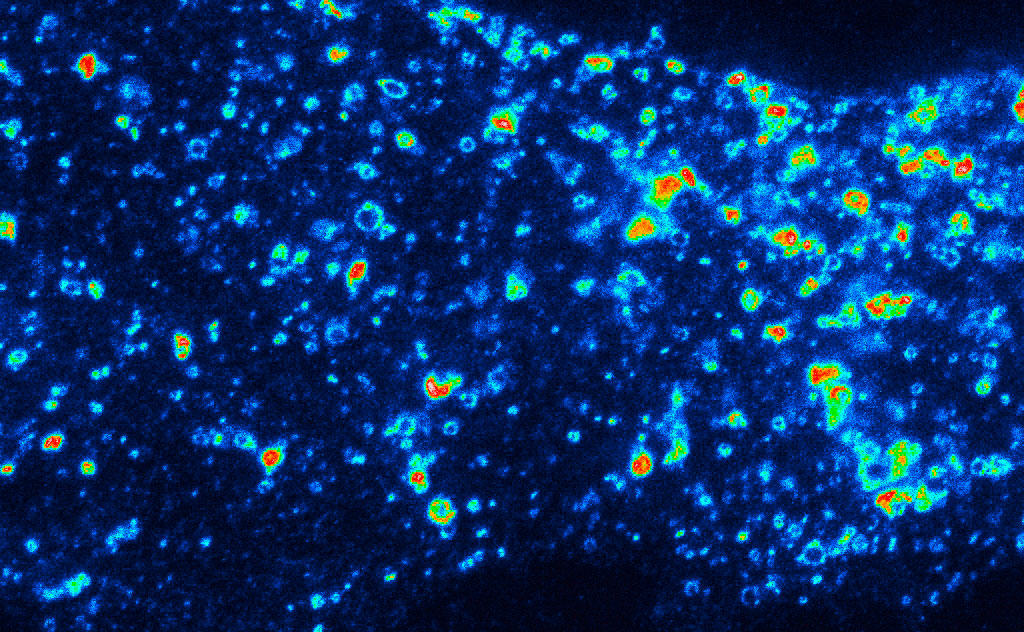
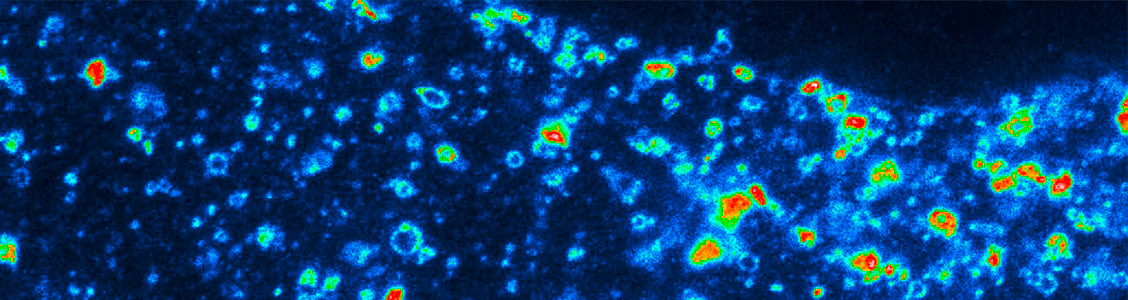
AN IMAGING PERSPECTIVE ON MOLECULAR AND CELLULAR ORGANIZATION: REPURPOSING DNA FOR MICROSCOPY
Center for Biostructural Imaging of Neurodegeneration (BIN)
Von-Siebold-Straße 3a, 37075 Göttingen
Dr. Sinem K. Saka
Harvard University
hosted by Prof. Silvio Rizzoli
Amyotrophic lateral sclerosis (ALS) is a neurodegenerative disorder that affects upper and lower motor neurons. It results in progressive atrophy of voluntary skeletal muscles and death within 3-5 years due to respiratory failure. The only treatment available is riluzole, which increases life expectancy with only 3 months on average. Therefore, more effective therapeutic strategies for ALS are urgently needed. This will require insight into the pathogenesis of ALS and new disease models.
Our lab uses a combination of different approaches (ranging from scRNAseq and proteomics to mouse models and iPSC technology) to further dissect the pathogenic mechanisms underlying ALS, and other motor diseases. The ongoing discovery of genetic (risk) factors underlying ALS has paved the road for the use of patient-derived stem cell based in vitro models for studying this neurodegenerative disease. In our work, we used patient-derived iPSCs to generate 2D and 3D in vitro models in combination with – omics approaches and microscopy for characterizing different aspects of ALS pathology and for setting up therapeutic approaches for targeting motor neuron dysfunction and degeneration.
weitere Vereanstaltungen
Keine Veranstaltungen